How to Choose Reliable Plumbing Services
Expert Water Line Restoration: Quick, Dependable Solutions for Your Home or Business
Water line complications can lead to major complications for both residential and commercial properties. Common signs include dripping, variable water pressure, and unanticipated alterations in water quality. Addressing these matters immediately is crucial to sidestep costly damage and maintain a hygienic atmosphere. Professional repair services provide technical proficiency and sophisticated instruments to handle these challenges efficiently. Knowing the intricacies of water line repair can help property owners reach well-informed choices when encountering such issues.
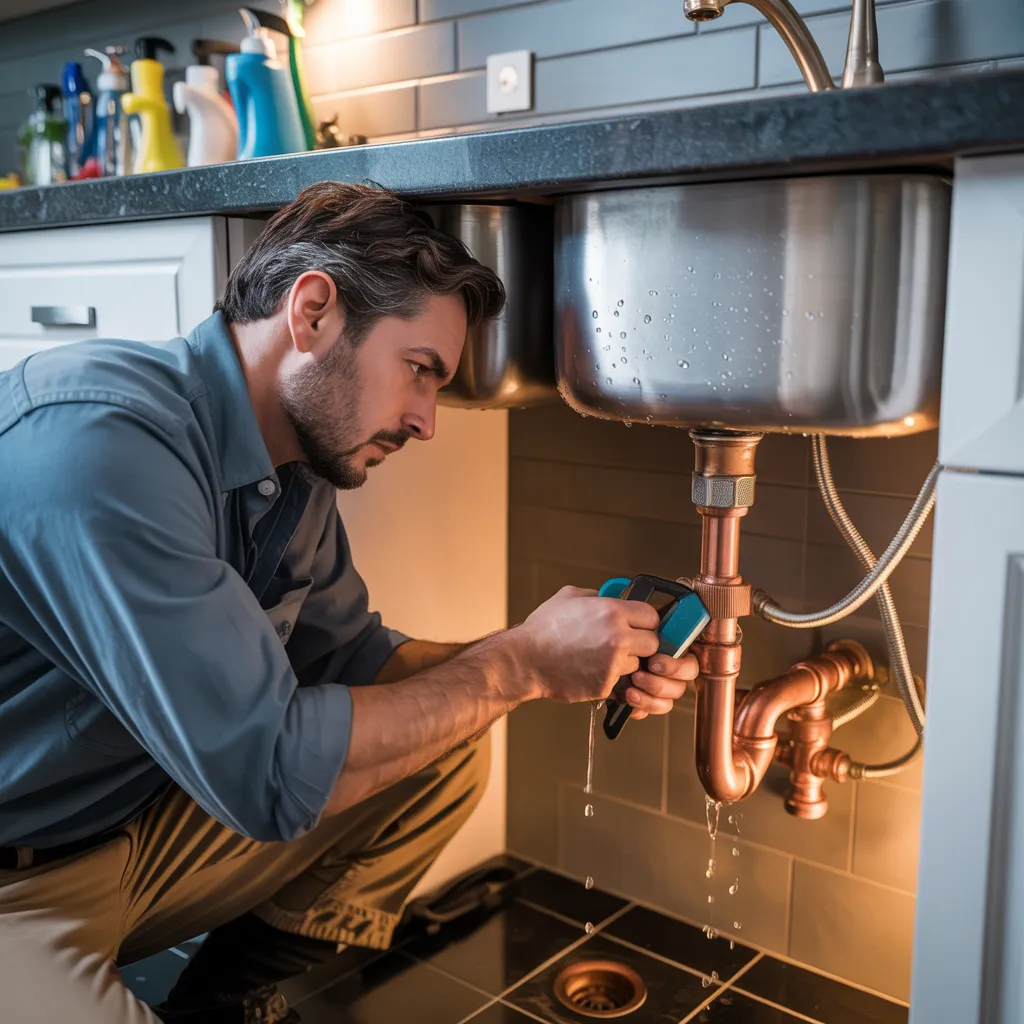
Frequent Water Line Troubles: What to Be Aware Of
What are the signs that suggest a possible problem with a water line? Property owners should stay observant for several significant indicators. Among the most obvious indicators is an unexpected rise in water bills, which might signal a hidden water leak. Furthermore, mysterious damp patches or water accumulation around the property or in basements often point to a failing line. Variations in water pressure, such as a noticeable drop or inconsistent flow, typically signal possible problems. Bad odors or stained water can signal impurities or deterioration inside the pipes. What's more, noises such as flowing water or bubbling in commodes and drainage points may indicate leaks. Lastly, observable fissures or foundation wear might also indicate water line concerns. Recognizing these signs early can help mitigate extensive damage and costly repairs down the line, stressing the significance of ongoing surveillance and care.
The Significance of Timely Water Line Repairs
How important is it for homeowners to deal with water line problems promptly? Prompt repairs can stop minor leaks from developing into major problems, safeguarding both the property and its occupants. Water line concerns, if left untreated, can bring about structural damage, mold growth, and rising water bills. Postponing repairs may result in more substantial damage, requiring costly fixes that could have been avoided.
Additionally, prompt interventions assist in preserve water quality. Contaminants can seep into compromised lines, creating health risks to residents. Homeowners should recognize the value of acting promptly, as quick repairs can also enhance property value. A well-maintained plumbing system is an attractive feature for prospective buyers.
How Professional Water Line Repair Works
The procedure for professional water line repair commences with a detailed initial assessment to determine the source and extent of the damage. Following this evaluation, several repair techniques are applied based on the unique aspects of the damage. Understanding these steps is crucial for effective resolution and restoration of service.
Initial Evaluation Phases
A successful water line repair starts with a comprehensive initial assessment, crucial for determining the source and extent of the problem. Professionals typically start by carrying out a visual inspection of the property, checking for signs of water damage, wet spots, or unusual water pressure levels. They may also inspect for any visible leaks or corrosion along the water lines. Utilizing specialized equipment, such as moisture meters and video cameras, technicians can additionally inspect underground or hidden pipes. Collecting this information allows them to establish whether the issue is a minor leak or a substantial break. Accurate assessment ensures that subsequent repair strategies are tailored to the specific problem, ultimately producing a more effective and efficient resolution.
Repair Techniques Overview
Once the initial assessment is completed, experts use multiple repair techniques customized to the specific issue at hand. For minor leaks, sealants and epoxy compounds may be used, effectively sealing cracks without extensive disruption. In cases of significant damage, pipe replacement becomes essential; this involves excavating the affected area and installing new piping. Trenchless technology presents a less invasive solution, allowing for repairs without major digging. Moreover, experts may employ video inspection tools to ensure the integrity of repairs and identify potential future issues. Each approach is chosen based on factors such as the severity of the damage and the location of the water line, providing an efficient and lasting solution for both residential and commercial properties.
Benefits of Skilled Water Line Repair Assistance
Although some homeowners may contemplate addressing water line repairs by themselves, the merits of engaging professional services often outweigh the anticipated savings. Professional plumbers deliver professional knowledge and experience, confirming that repairs are completed appropriately and efficiently. They possess advanced tools and equipment that aren't obtainable to the average homeowner, allowing for complete inspections and meticulous repairs.
Moreover, trained technicians can quickly detect hidden problems that may not be readily apparent, avoiding additional complications. Their expertise generally leads to quicker service, reducing the time the property is affected by water line concerns. Additionally, hiring experts commonly includes a warranty or guarantee on their work, ensuring peace of mind that future problems are less likely.
Finally, the investment in professional water line repair services can result in long-term savings by reducing the risk of major damage and expensive future repairs.
Should You Do It Yourself or Hire a Professional?
Considering whether to tackle a DIY water line repair or hire a professional can be tough for homeowners, as both options present unique advantages and risks. On one hand, DIY repairs can save money and offer a sense of accomplishment. Homeowners with plumbing knowledge may find minor issues controllable, potentially avoiding costly service fees. However, the risks associated with DIY repairs can be substantial, including improper fixes that lead to more extensive damage and significant repairs down the line.
On the other hand, hiring a professional provides expert assessment and repair, decreasing the risk of future complications. Professionals come equipped with specialized tools and experience, helping them handle intricate matters efficiently. While the upfront cost can be higher, the long-term confidence and reliability can justify the expense. Ultimately, homeowners should weigh their skills, the extent of the situation, and their budget when choosing between DIY and professional repair.
How to Pick the Ideal Water Line Repair Specialists
Picking the right water line repair experts requires several important considerations. Homeowners should confirm that contractors have the necessary licensing and insurance, examine their experience and expertise, and compare costs and estimates from multiple sources. This diligent evaluation guarantees that the selected professionals are qualified and offer competitive value for their services.
Confirm Licensing and Insurance
What steps can homeowners ensure they select the most qualified professionals for water line repairs? One critical step is to verify that the contractors hold the required licenses and insurance. Licensed professionals have met regional requirements, ensuring they possess the knowledge and skills needed for the job. Homeowners should request proof of licensing and check its validity through full article local regulatory agencies. In addition, insurance is vital as it protects both the homeowner and the contractor in case of accidents or damages during the repair process. A reputable water line repair professional will willingly provide documentation of their insurance coverage. By confirming these credentials, homeowners can avoid potential risks and make informed decisions when selecting a repair service.
Review Background And Proficiency
Selecting the best professionals for water line repairs relies heavily on experience and expertise. Property owners and commercial managers ought to look for technicians who have demonstrated success in this area. This often involves reviewing their years of service and the variety of projects they have completed. Knowledge of modern repair techniques and technologies is essential, as it guarantees that the repair process is efficient and effective. Furthermore, technicians knowledgeable about regional rules and plumbing standards offer reassurance that the job will meet requirements. Reading customer reviews and asking for references can further illuminate a technician's reliability and skill level. Ultimately, emphasizing experience and expertise results in effective and durable water line repairs.
Assess Price Options And Quotes
What factors should homeowners consider when comparing pricing and estimates for water line repairs? To start, homeowners should evaluate the scope of work contained within each estimate. Detailed breakdowns help identify necessary repairs versus optional services. Homeowners need to also examine the materials and methods presented, as these can substantially affect longevity and performance. Furthermore, comparing warranties offered by different professionals can provide insight into the quality of their work. It's wise to check for hidden fees or charges that may occur after the initial estimates. Finally, gathering multiple quotes allows homeowners to assess the market rate, ensuring they select a solution that balances quality and affordability, eventually leading to informed decision-making.
Key Recommendations for Water Line Management
Although water lines are frequently taken for granted, consistent maintenance is crucial for ensuring their longevity and optimal performance. Residents and business operators should execute routine inspections to spot signs of wear or potential leaks. Ensuring the area around water lines free of debris will help avoid physical damage and facilitate easier access during inspections. It is also advisable to monitor water pressure; exceptionally high or low pressure can indicate underlying issues that require attention. Regularly flushing the lines can help clear out sediment buildup, which may influence water quality and flow. Additionally, scheduling professional maintenance at least once a year offers an opportunity for thorough checks and repairs. By following these best practices, property owners can greatly reduce the risk of costly repairs and verify their water systems operate efficiently. Correct maintenance not only prolongs the life of the water lines but also encourages a safe and healthy environment.
Popular Questions
How Can I Tell if My Water Line Requires Repair?
Indicators of a required water line repair include surprising water bills, discolored water, damp areas in the yard, reduced water pressure, and visible leaks. Noticing these symptoms can indicate underlying issues requiring immediate attention.
What Are the Expenses Related to Water Line Repairs?
Costs connected with water line repairs usually range from $500 to $3,000, depending on factors like the extent of damage, location, and materials used. Additional fees may apply for permits and labor.
Can I Completely Prevent Water Line Concerns Entirely?
Preventing water line problems entirely is difficult. Regular maintenance, prompt repairs, and monitoring for leaks can substantially reduce risks. Property owners should also consider seasonal inspections to resolve potential problems before they escalate into major repairs.
What Is the Average Duration of a Water Line Repair?
A standard water line repair can take anywhere from several hours to an entire day, depending on the extent of the issue, the depth of the water line, and the accessibility of the repair area.
Which Materials Are Utilized for Water Line Repairs?
Water line fixes generally employ materials like PVC, copper, or PEX piping, combined with connectors, fittings, and sealants. Such materials provide reliability and durability, meeting numerous plumbing needs while sustaining system integrity over time.